
 By Liam Jones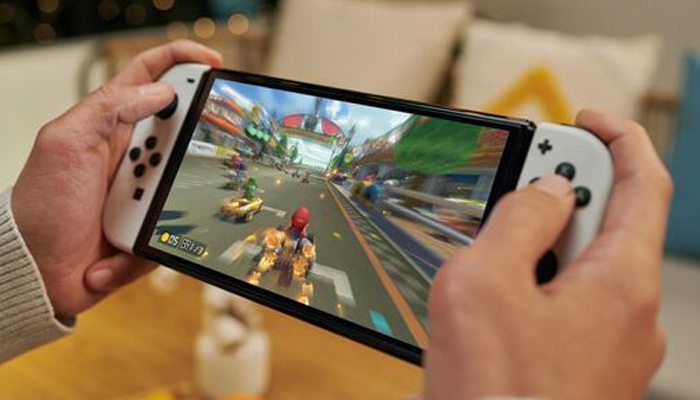
If you’re a parent, student, or even just someone who’s ever rolled their eyes at a kid glued to a screen, you might want to sit down for this one. Video games aren’t just a harmless way to pass the time—they might actually be helping students perform better in school. That’s right. All those hours spent navigating virtual worlds, solving puzzles, or even building empires? They could be training brains in ways traditional homework never could.
Let’s break down how and why.
1. Problem-Solving Skills That Stick

Many video games—think strategy games, puzzle adventures, or role-playing epics—require constant problem-solving. Players often face challenges that demand creative solutions, planning ahead, and adjusting strategies on the fly.
Here’s the kicker: research suggests that students who engage in these types of games develop stronger analytical and critical thinking skills. When they encounter a tricky math problem or a complicated science concept in class, their brains have already been “exercised” to think logically, plan steps, and anticipate outcomes. Essentially, they’ve been practicing the academic version of “leveling up.”
2. Boosting Focus and Attention
If you think video games are just distractions, think again. Many games demand high levels of concentration. Successful players must notice small details, track multiple moving elements, and react quickly to changing situations.
Studies have found that certain games—particularly action games—can improve visual attention, reaction times, and multitasking abilities. Students who play these games often find it easier to focus in class or while studying. It’s like their attention span is doing daily push-ups, getting stronger with every mission completed.
3. Learning Through Trial and Error
One of the most underrated benefits of video games is teaching resilience through trial and error. In many games, failure isn’t the end—it’s a learning opportunity. Players die, restart, adjust their strategy, and try again.
Compare this to school, where students often fear getting the wrong answer. Video games normalize mistakes, teaching young learners that failure is part of the process. This mindset can translate directly to academic performance: instead of giving up when a problem seems tough, students approach it like another level to beat.
4. Hand-Eye Coordination and Cognitive Flexibility
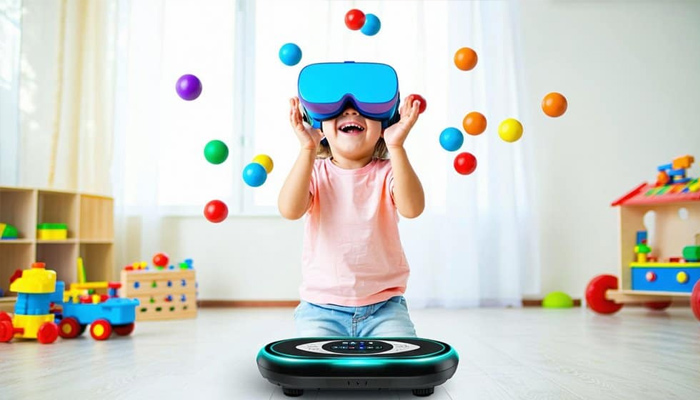
Some games, especially fast-paced ones, improve hand-eye coordination. While this might seem unrelated to academics, cognitive researchers argue that hand-eye coordination and mental flexibility are closely connected. Multi-tasking in a game—monitoring the environment, adjusting movements, reacting to opponents—helps the brain process information more efficiently.
This means that students who play certain games may be better at switching between subjects, staying organized, and juggling multiple assignments. It’s subtle, but over time, it can make a noticeable difference in grades.
5. Social Learning Opportunities
Multiplayer and cooperative games introduce teamwork and social problem-solving. Whether it’s coordinating with teammates in an online battle or building communities in a sandbox world, players practice communication, negotiation, and leadership skills.
Believe it or not, these “soft skills” are highly transferable to school projects. Students who excel at collaboration in games often perform better in group assignments, discussions, and even presentations. It’s a reminder that not all learning happens from a textbook.
6. Motivation and Goal Setting

Video games are full of clear goals, immediate feedback, and rewards—a formula that keeps players engaged. This structure can teach students valuable lessons about motivation. Achieving a difficult in-game milestone shows that consistent effort leads to results, a principle that applies perfectly to academics.
If a student learns that grinding through challenges can pay off in a game, they might start applying the same persistence to studying for a tough exam or finishing a complicated project.
The Catch: Balance Is Key

Before you rush to buy every console on the market, let’s be real: moderation matters. Excessive gaming can interfere with sleep, physical activity, and social time. The goal isn’t to replace homework with video games—it’s to integrate gaming as a tool that complements traditional learning.
Parents and students can set boundaries: limited daily playtime, age-appropriate games, and games that encourage problem-solving or creativity. With balance, gaming becomes less about mindless entertainment and more about brain training disguised as fun.
Bottom Line
It’s time to rethink the stereotype of the lazy gamer. Video games, when chosen wisely and played in moderation, can sharpen problem-solving skills, boost focus, encourage resilience, and even enhance social and cognitive abilities. In other words, they might just be the secret weapon for better grades.
So the next time your child—or you—plops down with a controller, remember: those “wasted hours” might actually be educational gold. Maybe it’s not just about getting to the next level in the game—it’s about leveling up in real life too.