
 By Noah Williams
Online learning promised flexibility, safety, and personalized pacing. But for many families, it delivered… frustration, missing assignments, and tears at the kitchen table.
If you’ve ever said:
“Why is this taking four hours?”
“Wait, weren’t you supposed to submit that yesterday?”
“How are you this tired when you haven’t left your chair?”
You’re not alone. Online learning isn’t inherently broken—but at home, the system often doesn’t work the way it was designed to.
Let’s dig into why online learning fails so often—and how to actually make it work.
🛑 1. Lack of Structure = Lack of Progress
At school: Bells ring. Schedules are fixed. Adults are everywhere.
At home: Kids are expected to self-manage… without the scaffolding.
One of the biggest reasons online learning breaks down is because students—especially younger ones—don’t have the tools to manage time, focus, and prioritize. Without a clear start time, break time, and check-out point, the whole day can feel like one big blur.
🎯 Fix it with:
A consistent daily schedule (even a basic one: “Math 9–10, Break 10–10:30…”)
Visible checklists for tasks, not just digital to-do lists
A “start the day” ritual: put on shoes, sit at a desk, light a candle—whatever sets the tone
😵 2. Too Many Tabs, Not Enough Attention
Between Zoom, Google Docs, YouTube “how-to” videos, and sneaky Roblox tabs… it’s easy to get lost.
Online learning can feel overwhelming because it forces kids to multitask in a way that even adults struggle with. Switching platforms, managing notifications, and navigating tech bugs eats up energy before learning even starts.
🎯 Fix it with:
Minimize platforms: Use one or two central apps for assignments
Teach basic digital organization: folder use, naming files, bookmarking
Use site blockers or “focus apps” (like Forest or Cold Turkey) during school hours
💤 3. Passive Screens = Low Engagement
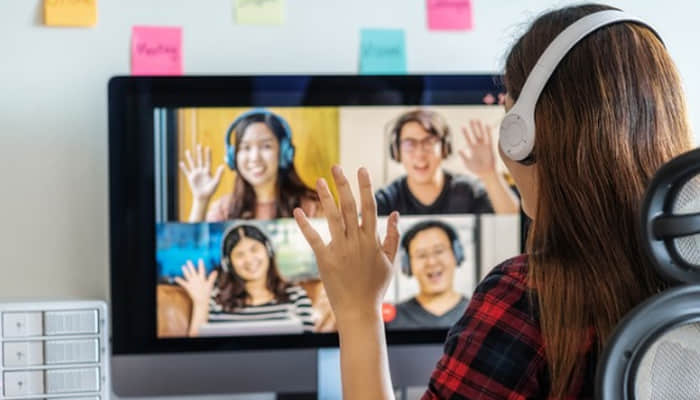
Watch a video. Click “Next.” Watch another. Try to care.
Without real-time feedback, social interaction, or physical movement, online lessons often become passive. And passive learning = poor retention. Students aren’t lazy—they’re under-stimulated.
🎯 Fix it with:
Encourage “active watching”: pause and write a question, doodle key ideas, or predict the next part
Use webcams when possible—it keeps kids present (yes, even if they’re camera shy at first)
Integrate movement: stretch breaks, “walk-and-listen” audio lessons, or standing tasks
🧩 4. Parents as Tech Support, Teacher, and Therapist? That’s Too Much
Most parents didn’t sign up to be IT help and learning coach and emotional support all day long.
In many homes, online learning turned parenting into a full-time job—without training, prep, or pay. This setup leads to burnout for everyone, including the child who’s now learning in an emotionally tense environment.
🎯 Fix it with:
Clear roles: Parents support, but don’t reteach—email teachers when needed
“Office hours” at home: Set a time when parents check in, not hover constantly
Normalize breaks—for both kids and caregivers. No one thrives under 6 hours of back-to-back tasks.
📉 5. When There’s No Real Accountability, Motivation Drops
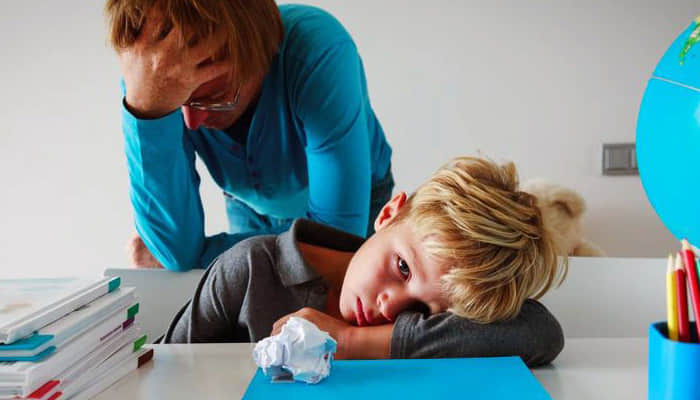
No one checks the homework. No one notices if the camera is off. Why bother?
In-person school has built-in accountability: teachers walk around, peers participate, and deadlines are reinforced. Online, it’s easier for students to disconnect—literally and mentally—without anyone noticing.
🎯 Fix it with:
Set daily “check-in and check-out” rituals, even at home (“What did you learn today?”)
Teachers: Use tools like short quizzes, student shoutouts, or reflection prompts for engagement
Parents: Avoid nagging—focus on small wins and praise effort, not just completion
🌱 So… Can Online Learning Ever Work?
Yes. But it needs to be reimagined as its own thing—not just school crammed through a screen. Online learning works best when:
✔️ Students have structure
✔️ Expectations are clear
✔️ Support is realistic (for families and teachers)
✔️ Interaction is built in—social, not just academic
✔️ Flexibility is used wisely, not as an excuse to disengage
💬 Final Thought: It’s Not Just the Kid. It’s the System.
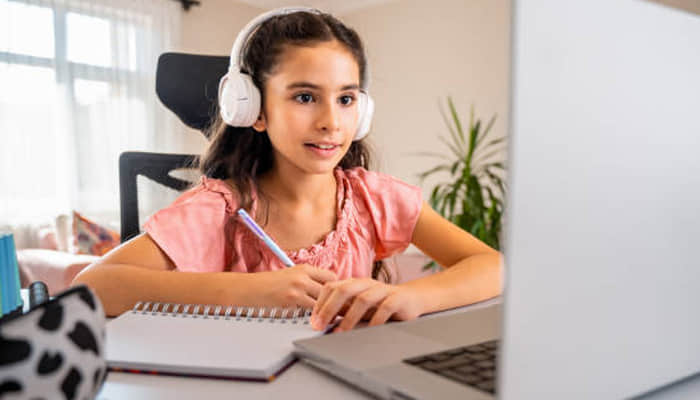
If your child is struggling with online school, don’t rush to blame attention span, willpower, or “attitude.” Often, the real issue is a system that asks kids to function like adults, in isolation, on devices built for distraction.
The good news? With a few strategic changes—and a little grace for everyone involved—we can build an online learning experience that doesn’t feel like a daily battle.
It might even… work.