
 By Arthur Evans
Have you ever glanced at your bank statement and thought, Wait a second—where did all that money go? You don’t remember buying a jet ski or a diamond necklace, yet somehow your balance is suspiciously low.
The truth is, most of us aren’t being drained by one huge splurge—it’s the sneaky, everyday expenses that quietly nibble away at our finances. Think of them as financial termites: small, hidden, and surprisingly destructive over time.
And here’s the kicker: because these expenses feel harmless in the moment—“it’s just $4 for coffee” or “one more streaming service can’t hurt”—we rarely notice the damage until months later. By then, the money’s gone, and we’re left wondering how we managed to spend hundreds (or even thousands) on things that barely add value to our lives.
If this sounds familiar, you’re not alone. Let’s shine a light on some of the less obvious ways our money slips away, complete with a few funny anecdotes and some practical tips to help you outsmart your wallet’s worst enemies.
1. The Streaming Buffet Nobody Can Finish

One couple admitted to juggling Netflix, Hulu, Disney+, Amazon Prime, AND a monthly clothing box they barely touched. Their “small” recurring costs ballooned to $269 a month. That’s over $3,200 a year—basically the price of a nice vacation or a fancy home upgrade.
Tip: Do a quarterly subscription audit. Cancel what you don’t use, and suddenly your budget feels lighter.
2. “Just One Coffee”—Yeah, Right

We all love that morning latte ritual, but at $4 a cup, the math gets ugly fast. Daily indulgence adds up to over $900 a year—enough to buy a high-end espresso machine and still have change left for beans.
Tip: Home brewing isn’t just cheaper, it can become a hobby. Plus, you get bragging rights for making your own “barista-level” cappuccino.
3. Water, the Unexpected Luxury

Buying bottled water out of convenience? At around $0.64 a bottle, you might be spending hundreds annually on something that comes out of your tap almost free. Throw in a filter pitcher, and you’re saving money and the planet.
4. Subscriptions You Forgot Even Started
Free trials are the Trojan horses of the finance world. You sign up once, forget about them, and months later, you’re still paying for a service you haven’t touched in ages. Think language apps, fitness programs, pet boxes, or that random cloud storage you don’t use.
Tip: Use a budgeting app that flags recurring charges—it’s like having a financial detective in your pocket.
5. Tiny Daily Habits, Massive Annual Damage
It’s just a $1.50 snack, a quick magazine, or a random app purchase. No big deal, right? Except that multiplied by 3–4 times a week, these little treats can top $600 a year. That’s a weekend getaway, sacrificed to candy bars and impulse buys.
6. Energy Vampires in Disguise
Your TV, game console, and coffee maker aren’t really “off” when you hit the power button. They’re in standby mode, sipping electricity around the clock. These phantom charges quietly raise your utility bills.
Tip: Use smart strips or just unplug devices when not in use. It’s eco-friendly and cost-friendly.
7. Impulse Buys That Seem Harmless (Until They’re Not)

We’ve all fallen for it: a $5 gadget “on sale” or that viral kitchen tool on Amazon. One Redditor confessed to spending $36,000 a year on Amazon for “essentials”—without comparing prices. Imagine realizing you could’ve bought a car instead of a mountain of cardboard boxes.
8. Lottery Tickets & Glittering Regrets
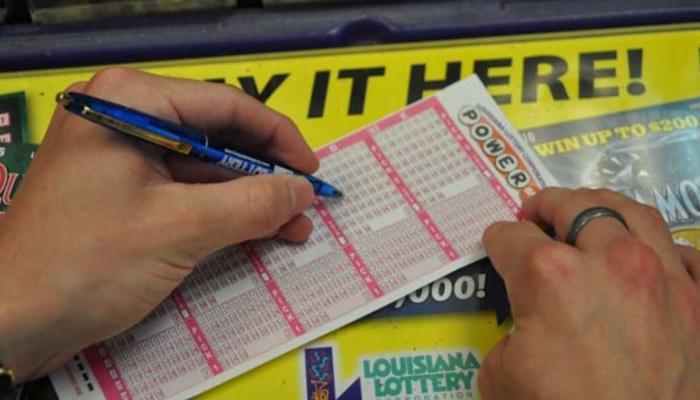
That $5 scratch-off feels harmless, but the average person spends about $220 per year on lottery tickets. Considering the odds, that’s essentially money set on fire—with glitter.
9. Lifestyle Creep: The Silent Wallet Thief
This one’s sneaky. You get a raise, and suddenly you’re springing for premium gym memberships, fancier dinners, or that slightly upgraded car. Before you know it, your spending has climbed right alongside your income, leaving you no better off than before.
Tip: When your income grows, channel at least half of the increase into savings or investments. Future-you will thank present-you.
10. “Convenient” Meals: More Convenient Than Cool

Delivery apps are lifesavers on busy nights—but between delivery fees, tips, and hidden markups, a $10 meal can morph into $25. Multiply that habit over a year, and you’re staring at $1,500+ on food delivery alone.
Tip: Save delivery for special occasions. Picking up food yourself or meal prepping can slash costs without sacrificing convenience.
Real Talk From the Internet
One Redditor shared this budget facepalm:
“I spent $600 a month on eating out and iced coffee… then cut a car payment—and it was like free money.”
Another broke down their expenses with a budgeting app and discovered an extra $3,500 a year in “true expenses” they hadn’t even noticed. That’s a dream vacation hiding in plain sight.
Quick Recap Table
| Sneaky Spending | Why It’s Costly | Smart Switch |
| Forgotten subscriptions | $20–$40 a month | Audit & cancel |
| Daily coffee | ~$900/year | Brew at home |
| Bottled water | Hundreds annually | Filtered tap water |
| Energy vampires | Phantom electricity | Smart strips |
| Food delivery | $1,500+ per year | Cook or pick up |
| Impulse buys | Adds up fast | 48-hour wait rule |
| Lifestyle creep | Income inflation | Save raises |
The Lighter, Funnier Final Take

Picture this: you start your day sipping a home-brewed cappuccino, flick off the phantom power draining your outlets, cancel that dusty subscription you forgot about, and fill your reusable water bottle instead of surrendering to the $3 convenience trap.
By the end of the week, your wallet feels stronger, your budget looks healthier, and you didn’t even have to give up the fun stuff.
Because at the end of the day, it’s not the yacht or the designer shoes that sink our budgets—it’s the socks, the bottled water, and the impulse buys that sneak in like ninjas. So the next time you wonder where your money went, just picture it walking out the door wearing sunglasses and sipping iced coffee.