
 By Liam Jones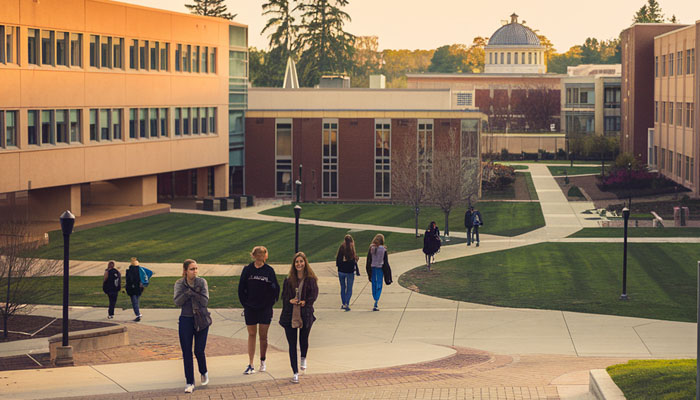
When we talk about college, the conversation almost always centers around careers. What’s your major? What job will you get? How much will you earn after graduation?
But ask anyone who’s been through college, and they’ll likely tell you the most valuable lessons weren’t in a textbook. They happened in late-night conversations, campus protests, awkward group projects, and quiet moments of doubt or discovery.
College isn’t just about preparing for a job. It’s about figuring out who you are in the world—and what kind of life you want to live. In other words, it’s less “What do you want to do?” and more “Who do you want to be?”
College as a Mirror (and Sometimes a Shock)

For many students, college is the first real taste of independence. You leave behind your family’s routine, hometown norms, and childhood labels. Suddenly, you’re surrounded by new people, new ideas, and a lot of freedom.
That freedom can feel exciting—or terrifying.
You might realize that the version of yourself you carried through high school doesn’t quite fit anymore. Maybe you were always “the smart one,” “the shy one,” or “the overachiever.” But in college, those roles dissolve. You get the chance to rebuild your identity—sometimes from scratch.
That’s not just self-exploration—it’s identity work, and it’s deeply valuable.
You Learn What You Believe (Not Just What You’re Taught)
College introduces you to diverse perspectives—professors with radical political views, classmates from entirely different cultures, and experiences that challenge your assumptions.
You may come in with beliefs handed down from your family or community. But in college, you’re exposed to ideas that might shake those foundations.
Maybe your economics course makes you rethink how wealth is distributed.
A gender studies class might help you understand systems of privilege and oppression.
Living with someone from another religion could open your eyes to spiritual practices you’d never considered.
It’s not about brainwashing—it’s about choosing your values instead of inheriting them blindly.
The Hidden Curriculum: Life Lessons You Didn’t Enroll For

Professors rarely assign lessons on patience, resilience, or how to handle rejection. But college teaches those things anyway.
Here are just a few “courses” you take without realizing it:
Failure 101: You bomb a midterm, forget a deadline, or don’t get into the program you wanted. You learn that failing isn’t the end of the world—it’s part of learning.
Group Project Survival Skills: You discover how to deal with flaky partners, clashing personalities, and the art of compromise—essential skills for any workplace (or life).
Time Management, or the Lack Thereof: You miss a class, pull an all-nighter, then swear you’ll never procrastinate again. Rinse and repeat until you finally get it.
Roommate Diplomacy: Living with someone is very different from being friends with them. You’ll learn how to set boundaries, have awkward conversations, and sometimes, walk away.
These experiences don’t show up on your transcript, but they shape how you operate in the world.
Finding (or Losing) Your People
College can be the place you find your lifelong friends—or go through a string of social misfires. Both are part of the process.
You may join a club that changes your whole worldview. Or have a falling out with a friend and realize what kind of relationships you really value. You’ll learn how to communicate, listen, forgive, or walk away.
And if you’re from a marginalized background, college might be the first place where you finally feel seen—or, sadly, the first place where you feel truly alone. Both experiences can fuel growth and help you better understand who you are, what you stand for, and what kind of support system you need.
Activism, Awareness, and the Bigger Picture
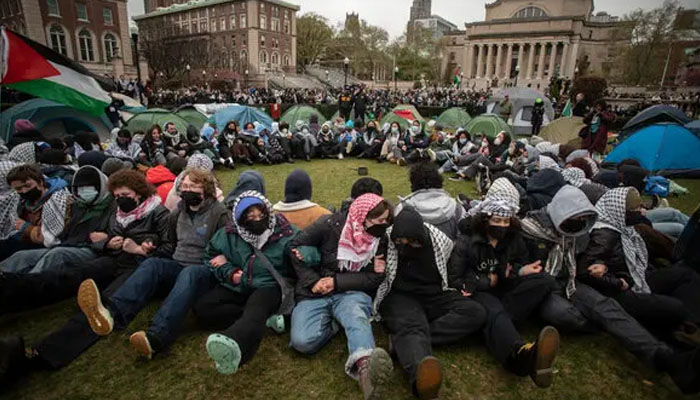
For many, college is when social consciousness really kicks in.
You might attend your first protest. Learn about global injustices in class. Volunteer in your community. Realize the systems you live in aren’t always fair—and that you can actually do something about it.
Whether it’s fighting climate change, championing LGBTQ+ rights, or organizing around racial justice, students often discover a cause that becomes part of their identity.
This isn’t about being “political.” It’s about recognizing your place in the world—and deciding how to use your voice.
A Place to Try, Pivot, and Try Again
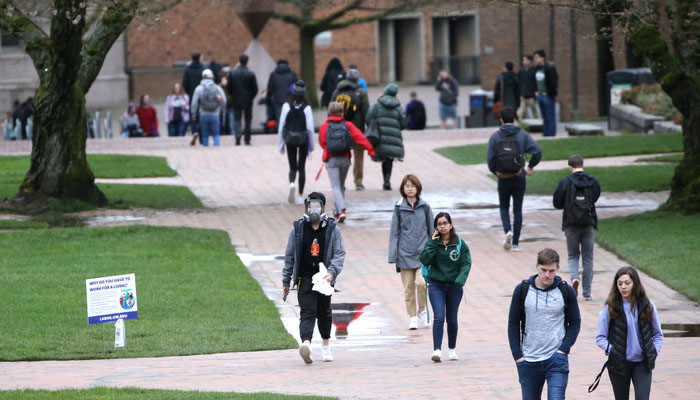
Not everything you try in college will stick.
You might change your major three times. Switch friend groups. Join a club and hate it. Intern in a field and realize you never want to work in it.
But every time you try something new, you get closer to what does fit. You don’t just learn what you like—you learn what you don’t, and that’s just as important.
College gives you space to experiment without permanent consequences, and that freedom is rare in adult life.
Final Thoughts: You Are Your Most Important Project
By the time you graduate, your resume might say “B.A. in Psychology” or “B.S. in Computer Science.” But your real education is much broader.
Maybe you’ve learned:
How to speak up for yourself
What kind of people bring out your best
What kind of work drains or energizes you
How to live with failure and keep going
These aren’t bullet points on a CV—but they are the foundations of a meaningful life.
So if you’re in college and feeling lost or unsure, remember: the most important thing you’re building isn’t just a career—it’s you.