
 By Arthur Evans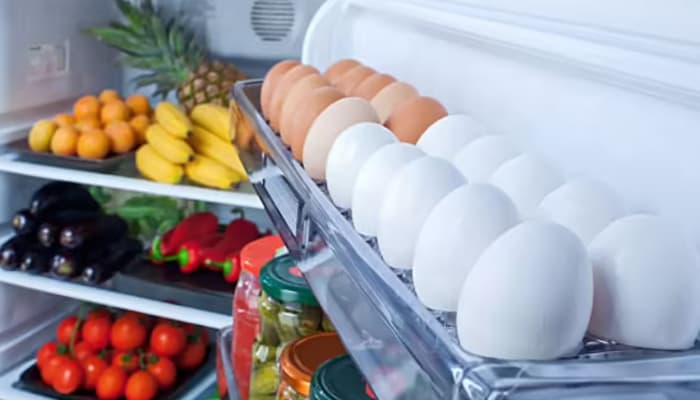
We all love the convenience of the fridge door. It’s the first thing you reach for in the morning, whether it’s a carton of milk, a bottle of ketchup, or your favorite juice. But despite being super handy, the fridge door isn’t always the best place for every food item. The temperature there is less consistent than the main shelves, which can affect taste, texture, and even food safety. Here’s a guide to seven foods you should rethink storing in your fridge door—and why keeping them elsewhere can make a big difference.
1. Milk and Other Dairy Products
Many people automatically stash milk in the door, but this is one of the worst spots for it. The fridge door is the warmest part of your refrigerator, and milk needs consistently cold temperatures to stay fresh. Frequent opening and closing can make the milk spoil faster, leading to sour flavors or, worse, harmful bacteria growth. The same goes for cream, yogurt, and soft cheeses—they all do best on the main shelves where the temperature is steady.
Pro Tip: Store milk on a middle or lower shelf, ideally in the back where it’s coldest.
2. Eggs
Eggs are another classic “door mistake.” Many fridges have a designated egg compartment in the door, but this isn’t ideal. The door’s fluctuating temperature can shorten egg shelf life and impact quality. Eggs are surprisingly sensitive and should stay cold, away from frequent temperature swings.
Pro Tip: Keep eggs in their original carton on an interior shelf. Not only does this protect them from absorbing fridge odors, but it also keeps them at a stable temperature.
3. Condiments You Rarely Use
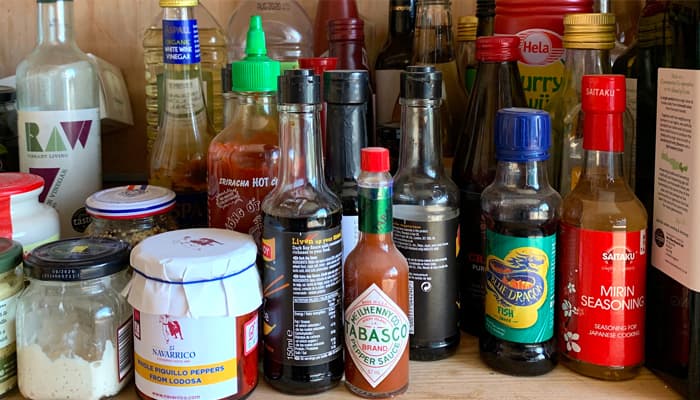
It’s easy to toss a variety of condiments—ketchup, mustard, salad dressings—into the fridge door. While some condiments are okay there, those you use sparingly may not need refrigeration at all. For example, hot sauces, soy sauce, vinegar-based dressings, and pickles can last months unopened at room temperature without losing flavor. Putting them in the door may waste valuable fridge space and expose them to unnecessary temperature swings.
Pro Tip: Check the label. Many sauces and dressings are shelf-stable until opened. Store them in a cool pantry until ready to refrigerate.
4. Juices and Drinks
Juice lovers often stash cartons and bottles in the door for convenience. The problem? Frequent door openings can let in warm air, causing juice to spoil faster, especially fresh or unpasteurized juice. Carbonated drinks, while technically fine, can also lose fizz faster if stored in the door.
Pro Tip: Keep juice and other beverages on interior shelves, especially if they are freshly squeezed or natural varieties. The consistent cold helps preserve taste and safety.
5. Butter
Butter is tricky. Many people like it soft enough to spread, so the fridge door seems perfect. But butter is sensitive to temperature changes and light exposure. Storing it in the door can make it go rancid sooner and develop off flavors. Salted butter lasts a little longer outside the fridge, but unsalted butter should stay consistently cold.
Pro Tip: Store butter in the fridge’s main compartment. For easier spreading, keep a small portion in a covered butter dish on the counter for a few days, replenishing as needed.
6. Fresh Herbs
Herbs like basil, cilantro, and parsley often end up crammed in the door vegetable compartment. This spot is not only warmer but also exposes them to air circulation that can dry them out. Some delicate herbs, like basil, actually do better outside the fridge entirely, as cold can turn their leaves black.
Pro Tip: Treat herbs like flowers—trim stems and store in a small glass of water on the counter for a few days, or loosely wrap them in a damp paper towel inside the fridge’s main section.
7. Soft Cheeses and Fresh Cheese
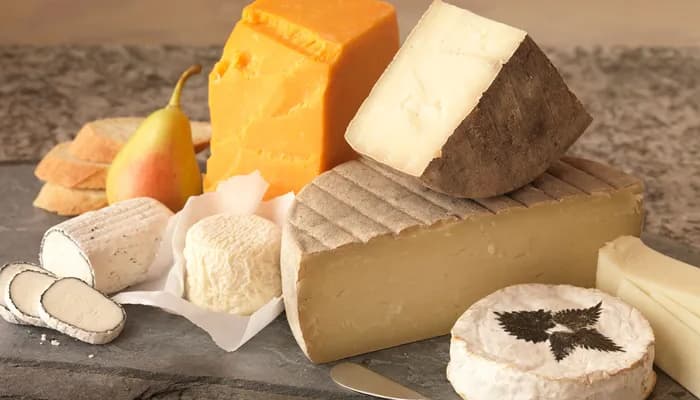
Soft cheeses, such as Brie, Camembert, and fresh mozzarella, are particularly sensitive to fluctuating temperatures. The fridge door’s inconsistent chill can affect texture, flavor, and even encourage mold growth outside of what’s expected.
Pro Tip: Keep soft cheeses in the cheese drawer or a main shelf, wrapped in wax paper or airtight containers to maintain moisture without compromising safety.
Why the Fridge Door Is the Warmest Spot
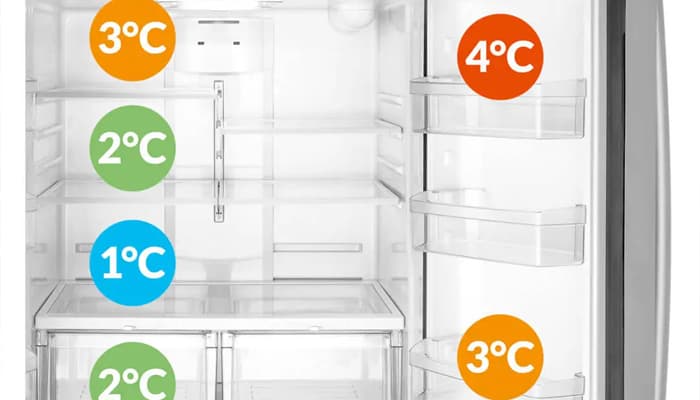
Many people assume the fridge door is just “cold enough,” but it’s worth understanding why it isn’t ideal for certain foods. The fridge door is constantly exposed to warmer air whenever you open it, making it more prone to temperature swings than interior shelves. While the fridge’s thermostat keeps the main compartment consistently cold, the door area sees more heat fluctuation. This makes perishable items like milk, eggs, and soft cheese more likely to spoil sooner.
Tips for Optimal Fridge Organization
Use the Door for Condiments and Drinks: Keep items that are less temperature-sensitive, like bottled sauces, jams, and soft drinks, in the door.
Middle and Lower Shelves for Perishables: Milk, eggs, cheese, and yogurt should stay here for consistent temperatures.
Crisper Drawers for Fruits and Vegetables: Use humidity-controlled drawers to extend freshness.
Label and Rotate: Place newer items behind older ones so nothing gets forgotten and spoils.
Final Thoughts
Next time you reach for milk or eggs in the fridge door, take a moment to reconsider. A few simple adjustments in storage can make a huge difference in taste, texture, and safety. By keeping delicate items on interior shelves and reserving the door for stable condiments and drinks, you can extend the life of your groceries and reduce waste. After all, the fridge is more than a convenient grab-and-go spot—it’s a tool to keep your food fresher, longer.
Remember: not every spot in your fridge is created equal. Treat the door as a storage zone for hardy items, and let your interior shelves do the heavy lifting for perishable goodies. Your taste buds—and your wallet—will thank you.