
 By Elijah Johnson
If someone had told you a few years ago that you could make a living helping robots understand human emotions, improve customer service, or predict health trends—all from your laptop—you might’ve thought they were joking.
But here we are. AI training jobs are very real and growing fast. These roles are all about teaching AI systems how to make sense of data, learn patterns, and make decisions. With AI advancing rapidly, more people are getting curious about how to break into this exciting field.
This article breaks down what AI training jobs look like and highlights seven roles you might want to check out if you’re thinking about diving in.
What AI training jobs are all about

AI training jobs focus on helping machines understand and respond to different kinds of tasks. This usually includes prepping and labeling data, training algorithms, and making sure the system learns what it’s supposed to.
People in these roles are crucial—AI can’t function properly without the human guidance behind it. Whether it’s building smarter chatbots or improving facial recognition, these jobs are at the heart of AI progress.
7 AI Training Jobs Worth Considering

Here’s a list of AI training roles and what each one involves. (Since many of these jobs are still pretty new, average salary info is limited. However, the Bureau of Labor Statistics reports the average annual wage in computer and IT roles is about $104,420.)
1. AI Training Writer

As AI tools become more common, there’s a growing need for writers who can help people understand how to use them. AI training writers create how-to guides, FAQs, manuals, and other materials that explain AI in simple terms.
This is a solid entry-level role that lets you mix writing skills with basic AI knowledge.
What you’ll need: A background in technical writing and a good grasp of AI basics. A degree in computer science or a related area is often preferred.
2. AI Algorithm Trainer

In this role, you help shape the rules AI systems follow. You’ll be involved in creating, tweaking, and fine-tuning algorithms that help AI work better.
What you’ll need: Strong math and programming skills (think Python, R, or Java), and a solid understanding of how AI models work. You’ll also need to be able to explain your ideas clearly to both tech and non-tech teammates.
3. Chatbot Trainer
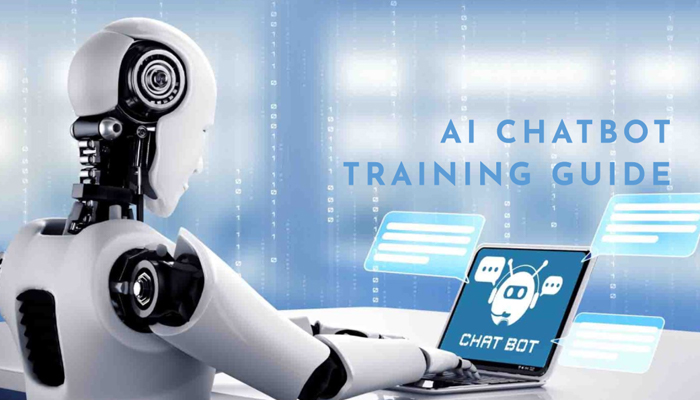
Ever talked to a bot that actually made sense? A chatbot trainer probably had something to do with it. These folks design conversations, test responses, and tweak the bot’s behavior to make interactions feel more human.
What you’ll need: Programming skills and experience with tools like NLP (natural language processing) and machine learning. Good communication skills are also key—you’ll need to understand how users think and talk.
4. AI Data Trainer
This job is all about feeding AI the right information. Data trainers organize, label, and annotate data—like images, text, or sound—so the AI can learn from it.
What you’ll need: A degree in data science, analytics, or something similar. You should be comfortable with basic coding and know your way around AI tools.
5. AI Engineer
AI engineers are the builders. They design and maintain AI systems, test algorithms, and work on making AI solutions more accurate and efficient. This role involves working closely with data scientists and researchers to solve real-world problems.
What you’ll need: A degree in computer science, software engineering, or a similar field. You’ll also need strong coding chops in languages like Python, C++, or Java.
6. Machine Learning Engineer
Machine learning engineers develop models that let computers make predictions or spot patterns in data. These roles are in high demand across industries like healthcare, retail, and finance.
What you’ll need: Solid experience in Python or Java, plus familiarity with machine learning tools like TensorFlow or Keras. A deep understanding of algorithms and data structures is also a must.
7. AI Data Annotator
Data annotators tag and organize huge sets of information so AI can learn from them. This might mean labeling images, marking up text, or organizing audio files. It’s detail-oriented work, but super important for training reliable AI.
What you’ll need: While a degree in data science is helpful, it’s not always required. You should know your way around annotation tools (like Labelbox or Dataloop) and be great at staying focused and managing your time.
Final Thoughts
The world of AI is expanding fast, and these training roles are a great way to get involved—whether you’re a writer, coder, or just someone curious about tech. Start by learning the basics of AI and explore courses or certifications that match your interests. With the right skills and mindset, there’s a place for you in this growing industry.